Quality, care and what accreditation really reveals
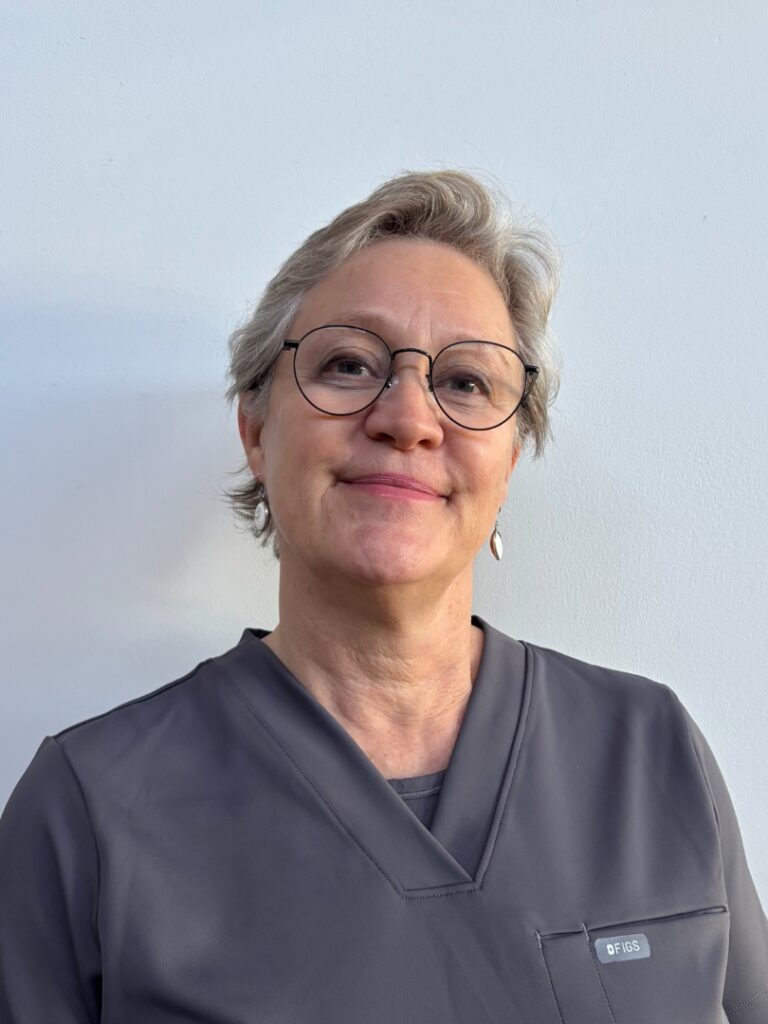
Dr Melinda Griffiths did not set out expecting general practice to define so much of her professional life.
She began in hospitals as a nurse at 17, later trained in medicine, and initially thought her career would head elsewhere. Instead, family circumstances led her into general practice and once there, she found it suited her.
“I realised I loved it,” she says.
Over 20 years, she built her own Sydney practice from a solo operation into a 15-doctor practice, caring for a large and loyal patient base while navigating the demands that come with ownership, leadership and long-term care.
Eventually, though, she recognised the emotional load was becoming difficult to carry.
“I had a lot of patients I cared deeply about, but I realised I was taking them all home with me.”
Rather than ignore that feeling, she made a deliberate shift. She stepped away from ownership, spent time working with the Medical Board of Australia reviewing cases involving doctors under scrutiny, and later found herself curious about accreditation – a process she already knew well from the practice side.
Her own practice had been through multiple rounds of accreditation, enough to understand both the pressure and the potential value of it.
“I knew some of the assessors and their processes, and I thought it looked interesting.”
An application led to an interview, and then a role as a surveyor.
Initially, she imagined doing one day a week. Instead, she quickly took on three, building experience rapidly across a wide variety of practices.
Since joining QPA in 2023, she has completed around 200 surveys across Australia – from far north Queensland to Tasmania, from city clinics to remote country towns, across practices large and small.
That reach has given her a broad view of Australian general practice, but one impression stands out above all others.
“The vast majority of general practitioners really love what they do,” she says. “They care deeply about their patients and their staff, and they are in it for the right reasons.”
For Melinda, that has been one of the most rewarding parts of the role. “It has restored my faith in my profession.”
Her own background shapes how she approaches each survey visit. Alongside her years as a GP and practice owner, Melinda’s early nursing training still plays an important role.
When QPA’s Paul Mara first contacted her, he specifically noted the value of that nursing background – something she had almost left off her CV because it felt so long ago.
In practice, it has proven highly relevant.
“It helps when assessing clinical areas because I understand how nurses are trained, how they work, and what supports them to do their best work.”
That broader understanding is one reason she focuses heavily on making survey days feel constructive.
Every visit begins with conversation
For Melinda, there is time for practices to explain how they work, what they are proud of, and what they want assessors to understand about their setting.
“We often spend the first hour just talking,” she says. “By then they usually realise they are doing well.”
That early reassurance matters because many practices still approach accreditation with unnecessary anxiety.
One misconception appears again and again: the belief that accreditation is simply pass or fail.
“It is not a pass-fail process,” she says. “Most issues are manageable and there is support available.”
She also works carefully to remove the fear that assessors are there to catch practices out.
“My job is not to nitpick. It is to recognise the work they are doing, help them understand the standards, and explain why those standards matter.”
That explanation is often where the most useful conversations happen.
Some standards can feel disconnected from day-to-day reality until the reasoning behind them becomes clear. The doctor’s bag is one example she discusses often.
Many practices see it as something checked for accreditation but rarely used. Melinda explains why it still matters – because in an emergency outside the clinic, a ready bag may suddenly matter a great deal.
The same applies to emergency drugs, treatment room processes and ethical discussions.
“Sometimes practices are already doing exactly what is required, they just have not linked it back to the language of the standards.”
That is why she often finds teams are performing better than they think. Many have strong communication systems, useful meetings, thoughtful patient reminders, and well-developed treatment room processes already in place.
Some also show remarkable innovation.
One practice still stands out for the way it approached quality improvement beyond compliance. After researching local demographics, the practice manager recognised a significant First Nations population and asked directly what would make the clinic feel more welcoming.
That conversation led to practical changes within the practice, new community partnerships and support for local school attendance initiatives. For Melinda, that reflects the real strength of general practice when quality is understood properly – not as a checklist, but as responsiveness to the people a practice serves.
“It shows what general practice can do when people are open to improving.”
That openness remains what she values most. It’s not about perfection but a simple willingness to reflect, adapt and keep building stronger systems. Because in her experience, most practices are already doing more right than they realise.
Are you a GP who is passionate about general practice and are invested in the quality care delivered to patients?
Learn more about becoming a quality GP Surveyor with QPA today!