
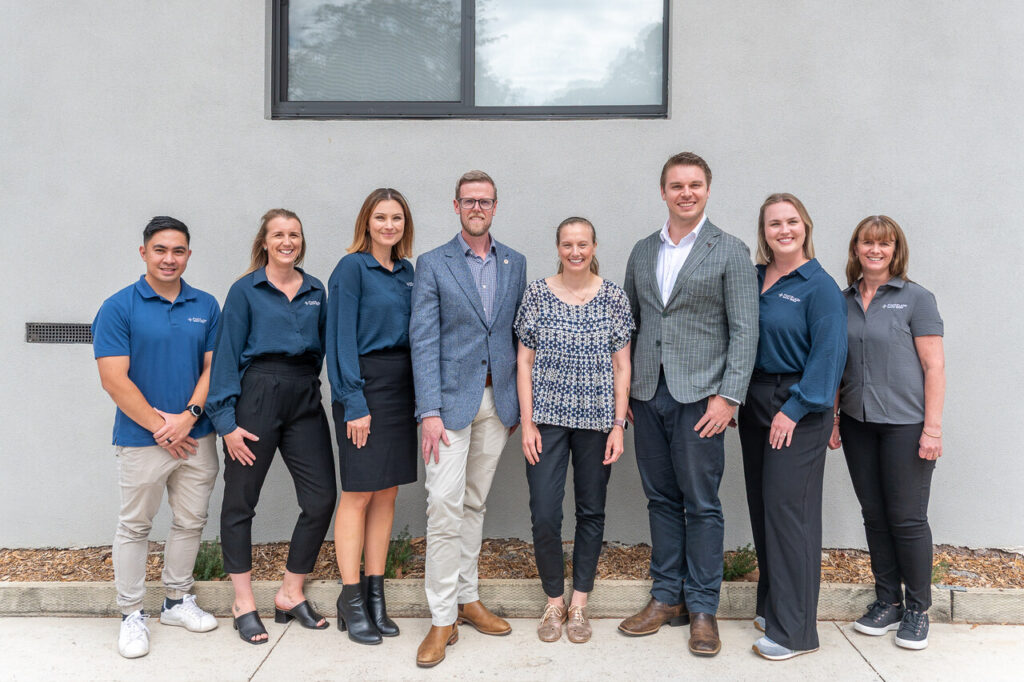
When Fortitude Health Group opened its doors in 2024, its founders had a clear vision: to provide comprehensive, compassionate healthcare for individuals and families across Victoria’s Mornington Peninsula, with specialised support for veterans and serving Defence Force personnel.
Established by Dr Bradley Frew and Dr Matthew Dziegielewski, the practice combines family-focused general practice with a particular understanding of the healthcare challenges veterans can face, especially when transitioning out of the Australian Defence Force.
As a former Navy veteran, Dr Frew brings firsthand experience to the practice, mentoring fellow GPs and helping ensure veterans receive care that recognises their individual circumstances.
Supported by a dedicated team of nurses and reception staff, Fortitude Health Group provides personalised healthcare for patients at every stage of life, with an emphasis on making the experience welcoming, accessible and supportive.
But building a new practice from the ground up also meant building the systems needed to support safe, high-quality care.
The challenge
With just four months between opening the clinic and its first accreditation survey, the Fortitude team faced a demanding task.
Many policies and procedures were still being developed, and the practice was navigating the everyday challenges of establishing a new healthcare service.
For Fortitude’s Practice Manager, Samantha Henley – who was undertaking accreditation in the role for the first time – it was a steep learning curve.
There were late nights writing policies, reviewing RACGP Standards and making sure the practice’s systems and processes were ready for assessment.
Despite the pressure, the team achieved accreditation with just two minor non-conformities.
It was an important milestone for a young practice and a reflection of the team’s commitment to getting things right from the beginning.
A partnership approach
Throughout the accreditation process, Fortitude worked closely with QPA Quality Accreditation Manager (QAM) Michaela Doon.
Having a dedicated contact who could answer questions, provide guidance and help the team navigate the requirements made a significant difference.
“Our experience has been positive, with QPA’s communication being fantastic,” Samantha says.
Regular check-ins, webinars and a clear accreditation checklist helped the team understand what needed to happen and when.
Rather than trying to tackle everything at once, the practice worked through its self-assessment in manageable sections, using scheduled meetings with Michaela to clarify questions and check its progress.
“Knowing we have someone to turn to for guidance has made what can be an overwhelming process much more manageable and given us confidence every step of the way.”
That support also helped the team prepare for survey day, with documentation organised and readily accessible.
What changed?
For Fortitude Health Group, accreditation reinforced the importance of having reliable systems in place before they’re needed.
One of the most valuable lessons was recognising that practices must be prepared for unexpected situations, even those they may never have encountered.
The process strengthened the team’s understanding of policies, procedures and emergency preparedness, and gave staff greater confidence in their ability to respond appropriately.
It also reinforced the connection between staff wellbeing and patient safety.
“For me as practice manager, quality and safety start with the wellbeing of our staff,” Samantha said. “I make it a daily priority to ensure our reception team, nurses and doctors feel supported and valued, because without our wonderful team, we simply cannot provide the high standard of care our patients deserve.”
Making improvement manageable
The experience also shaped the team’s approach to ongoing quality improvement.
Rather than treating accreditation as a one-off exercise, Fortitude now places greater emphasis on maintaining systems and making practical improvements over time.
Samantha offers three simple tips for other practices:
- Set realistic timeframes. Focus on one improvement at a time, establish a clear goal and review progress before moving on.
- Break tasks into manageable steps. Smaller, achievable actions make quality improvement less overwhelming.
- Involve the whole team. Encourage staff to identify opportunities and focus on changes that genuinely improve patient care, safety and practice processes.
She also recommends preparing documentation early. “Get organised early and have everything readily available before the survey day – it makes a huge difference to your confidence and peace of mind.
Ready for the next chapter
Just 14 months after opening, Fortitude Health Group had already outgrown its original premises following the addition of another full-time GP. The practice has purchased a larger building and is planning to relocate in mid-2027.
With that growth comes additional accreditation requirements, including a further survey visit and updates to policies and documentation required for the new premises.
QPA is already working with the team to help them prepare for accreditation at their new premises.
For Fortitude Health Group, accreditation has helped establish a strong foundation for a growing practice with a clear purpose. And as the team continues to expand its services, that foundation will remain essential to delivering the safe, individualised care its community deserves.
Discover how QPA’s whole-of-cycle approach can support your practice through accreditation, growth and change. Get in touch with our team to learn more.